-
- 2026/07/09
- Postdoctoral position at Kyushu University
-
- 2026/05/07
- Recruit
-
- 2025/11/19
- Our new paper "Na intercalation in bilayer graphene: formation of a close-packed trilayer" has been pubished in ACS Nano, This is the collaboration with groups in AIST, Univ. Osaka, Tsukuba Univ. Tokyo Polytech. Univ. and Group in Dresden.
-
- 2025/09/16
- Our new paper "Anomalous Raman signals in multilayer hexagonal boron nitride grown by chemical vapour deposition on metal foil catalysts " has been pubished in Nanoscale Advances. This is the collaboration with groups in Univ. Osaka, AIST, Tohoku Univ. and POSTECH.
-
- 2025/09/01
- Prof. Ago has given an invited talk at ChinaNANO2025 and recieved Young Speaker Award (details (in Japanese))。Prof. Ago also visited Beijing Graphene Institute, guided by Prof. Li Lin.

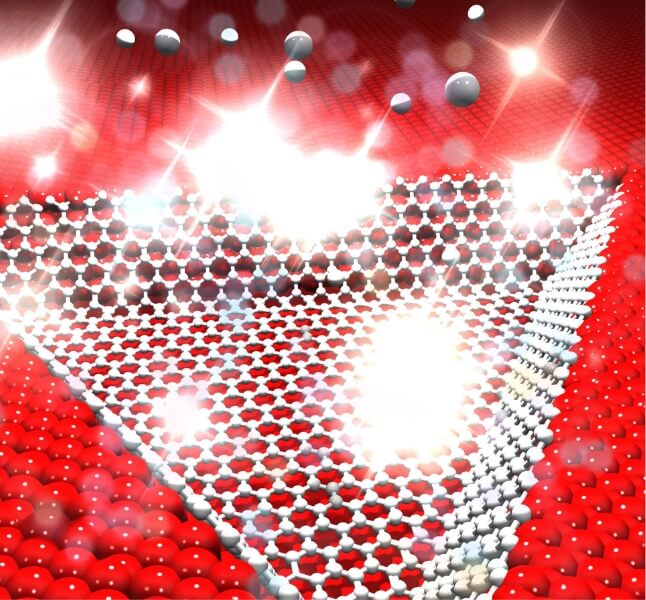

We are an interdisciplinary research group of the Faculty of of Engineering Sciences, Kyushu University, Japan. Our group is focusing on the controlled synthesis, processing, and device applications of atomically-thin layered 2D materials. Furthermore, we are developing novel scientific research based on our new concept of “2.5D materials”.

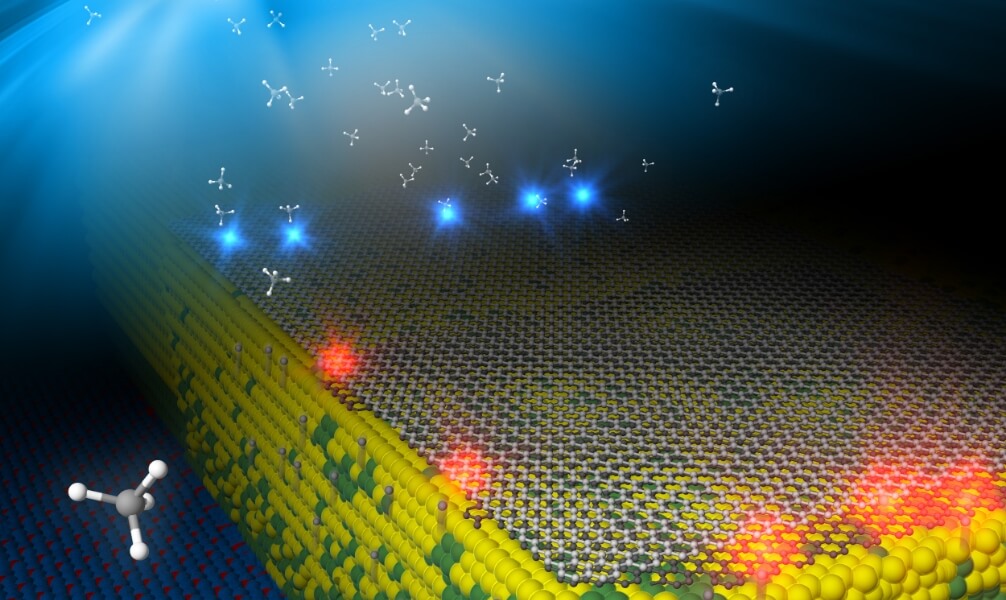
 Synthesis of high-quality 2D materials
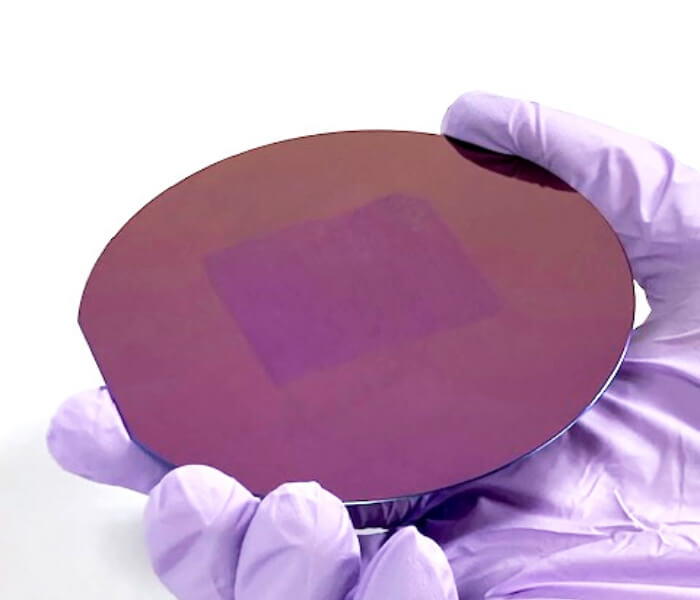
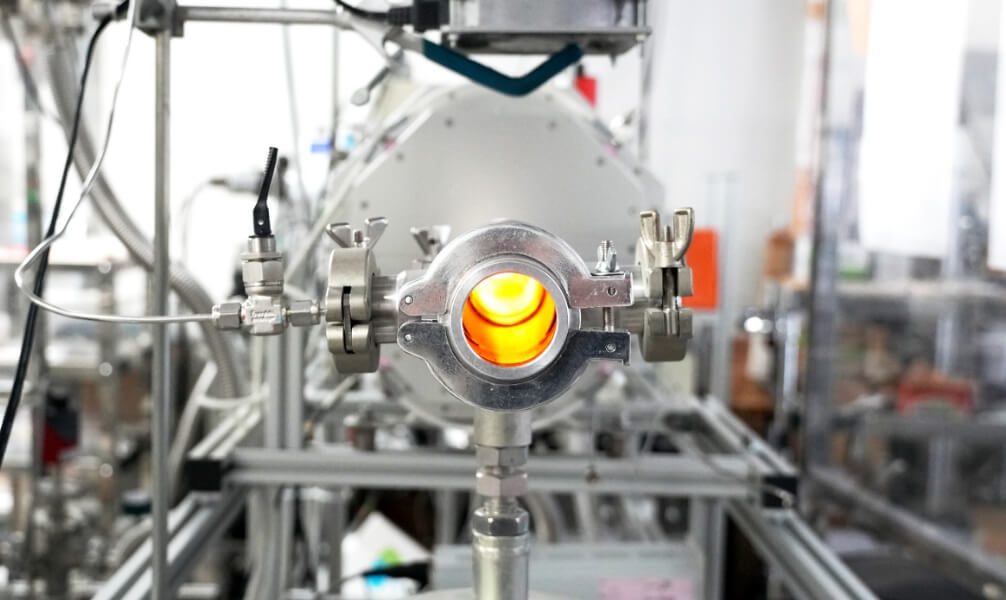
Our laboratory has a strong expertise in the synthesis of high-quality 2D materials by chemical vapor deposition (CVD) method. We proposed a new concept of “epitaxial CVD growth” using single-crystalline metal catalyst and achieved the synthesis of high-quality, wafer-scale 2D materials, such as graphene and hexagonal boron nitride (hBN).
 Nano-processing of 2D materials
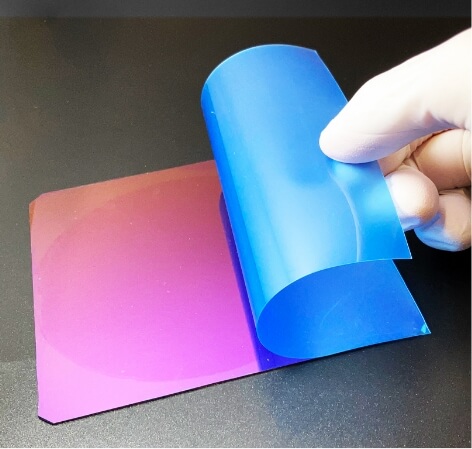
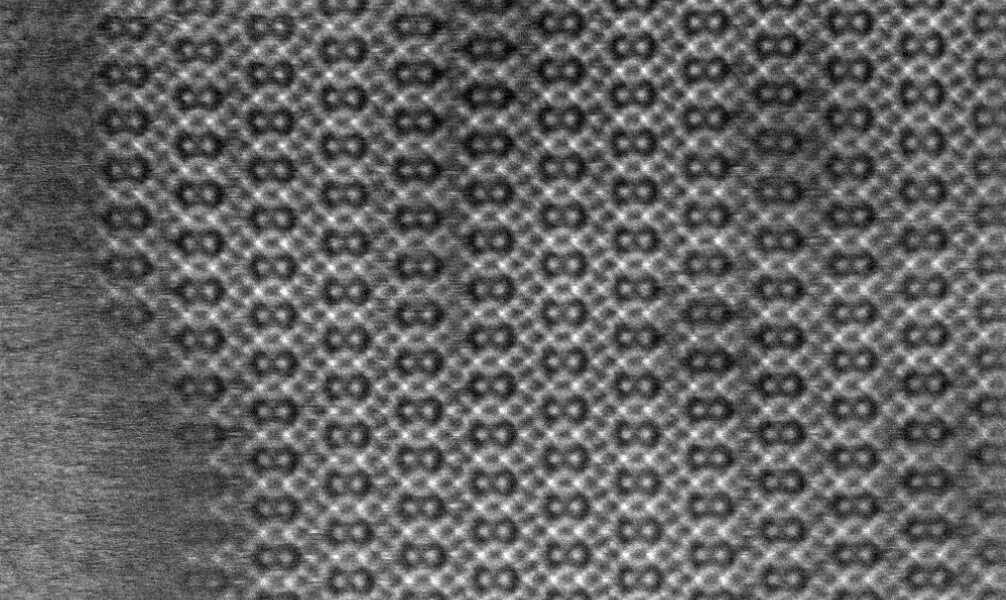
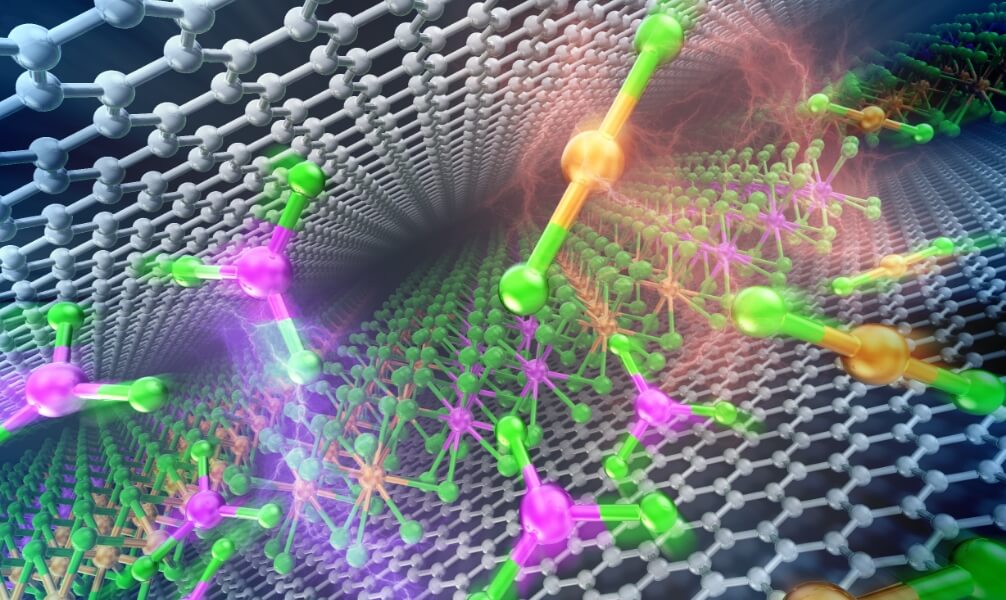
We are working on intercalation and chemical functionalization of 2D materials to obtain new structures and intriguing properties. In addition, we have developed advanced nanoscale fabrication techniques for 2D materials, such as “read-to-transfer” method which utilizes unique UV tapes whose adhesion force can be tuned by ultraviolet light.
 Applications of 2D materials
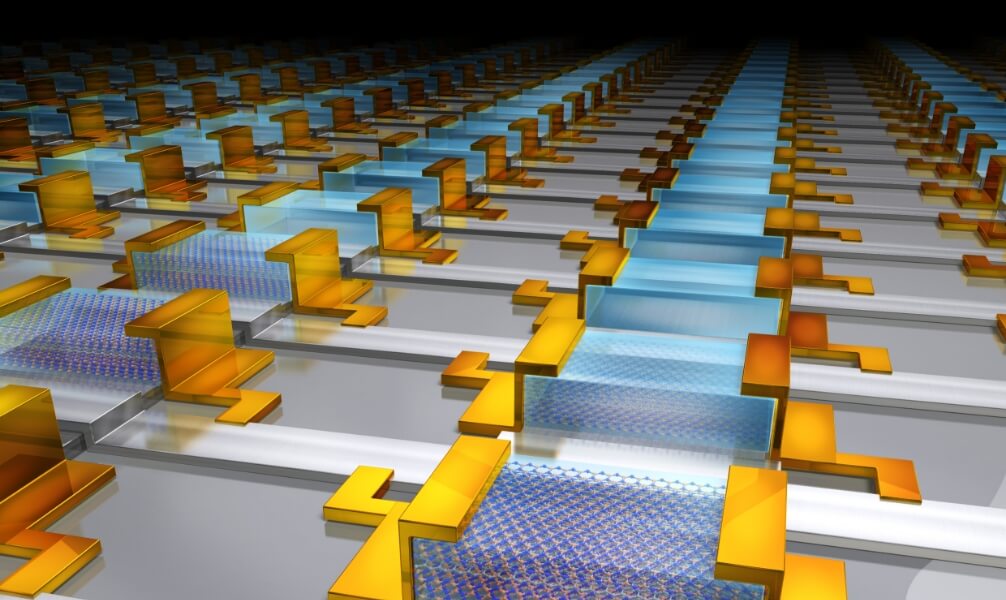
One of our goal is to contribute to the development of next-generation semiconductors and memory devices for future society, based on 2D materials. We are actively working with their device development, such as field-effect transistors and magnetic tunnel junction. In addition, we are exploring environmental applications, including hydrogen evolution transparent and solar cells.
 AI-driven 2D materials research
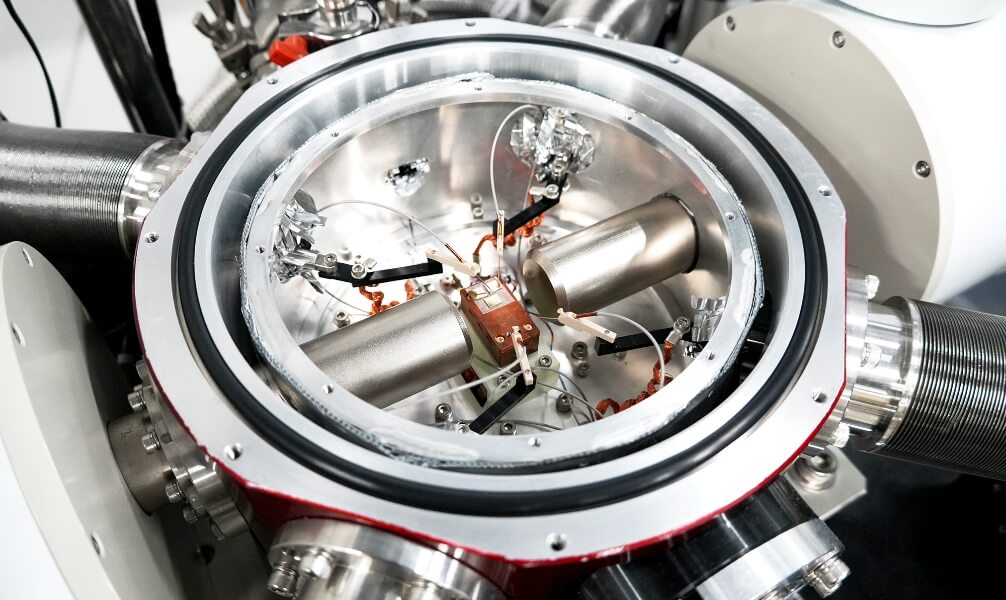
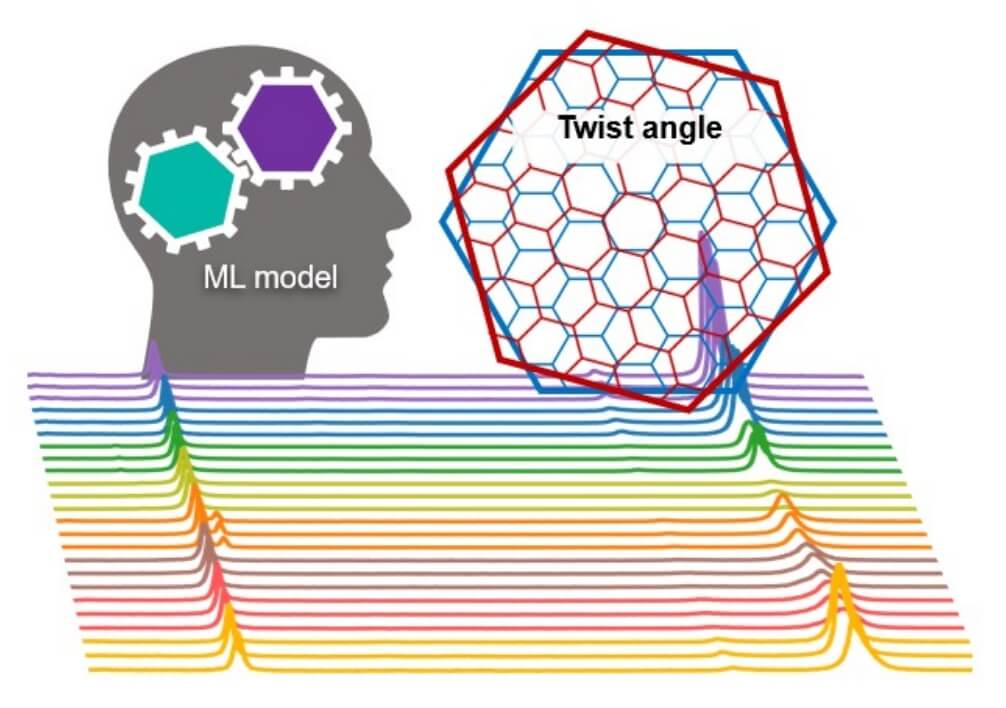
We are accelerating our 2D materials research with the aid of AI and machine learning. Machine learning is used to analyze the characteristics of 2D and 2.5D materials. We are also trying to integrate AI and robotics for innovative research.
 “Science of 2.5D Materials” project
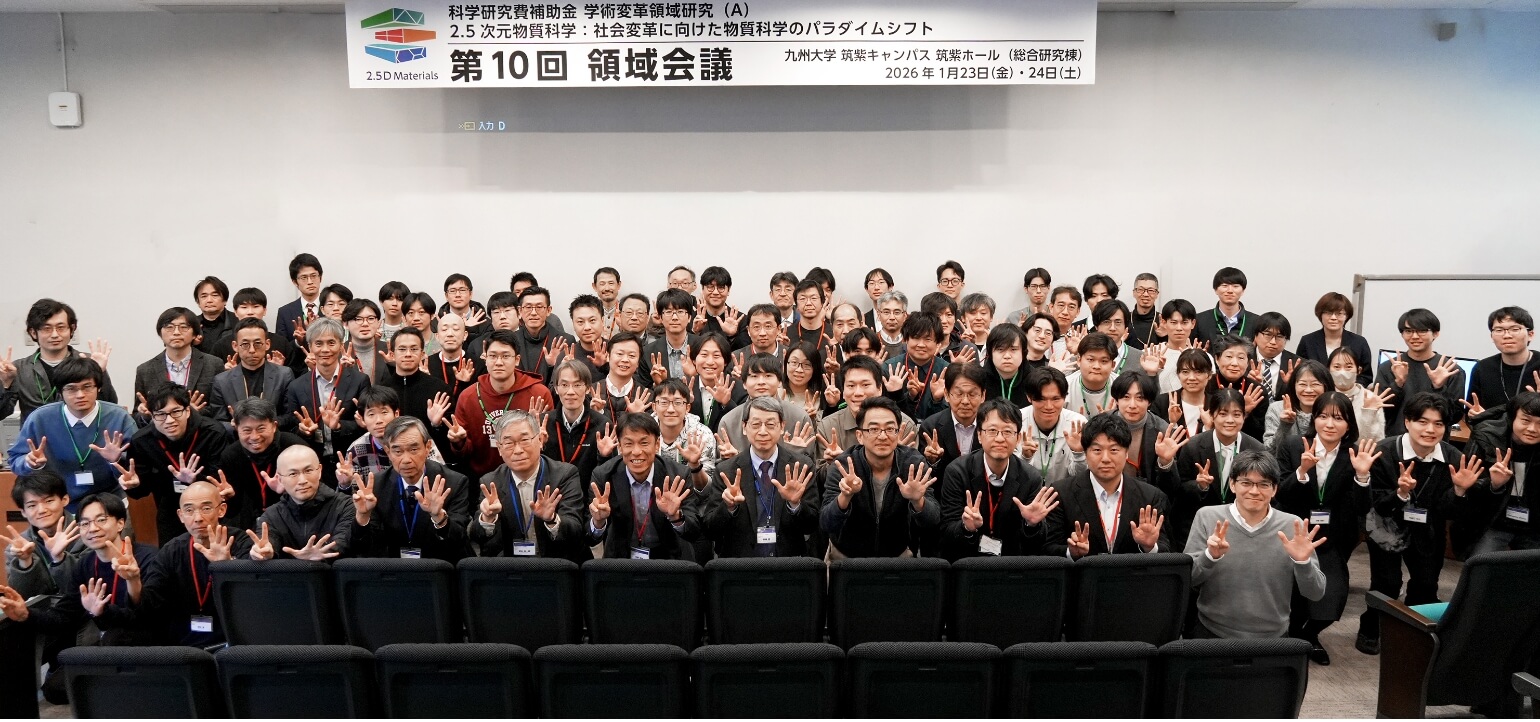
Prof. Ago has lead national project named “Science of 2.5 Dimensional Materials” with about 50 principle investigators (researchers) from 2021 to 2026. The 2.5D concept consists of controlling van der Waals interactions and using interlayer nanospaces to synthesize new materials and explore their promissing properties. It also includes combination with other dimensional materials, the fabrication of 3D architectures of 2D materials, and practical applications in our 3D everyday life.
 Contributing to society
We are also actively working on the industry?academia?government collaboration and organizing open innovation network (koine consortium) focusing on the commercial applications of 2D and 2.5D materials and created the startup venture company selling high-quality, wafer-scale 2D materials (graphene and hBN).